GLP-1 and GIP: Peptide Signaling Mechanisms in Metabolic Research
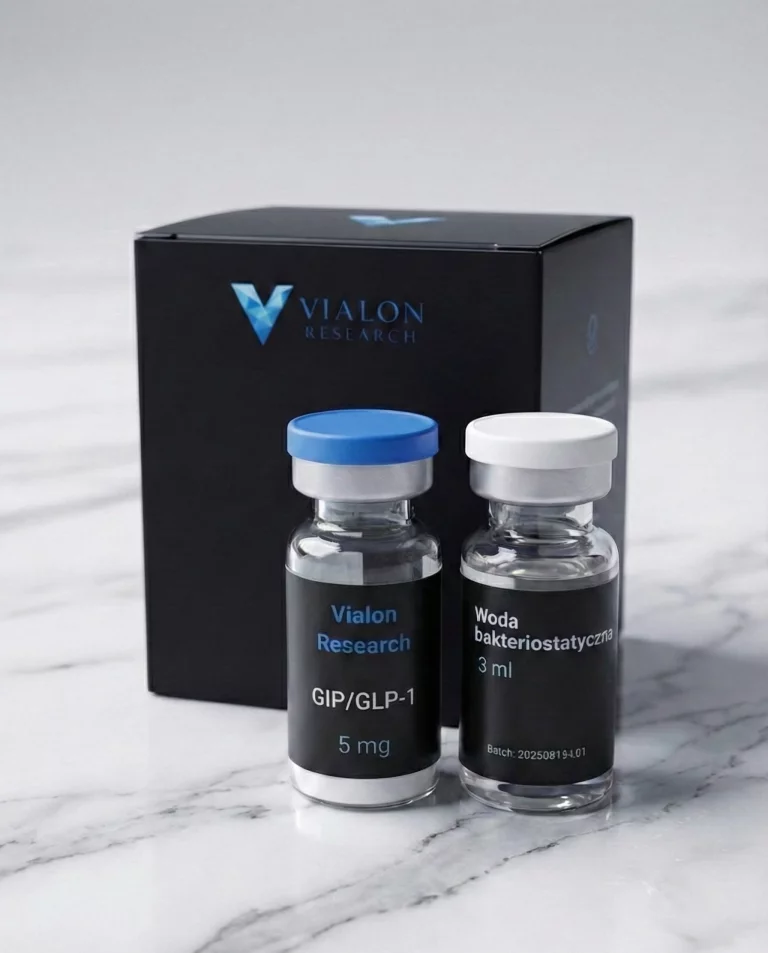
Overview of GLP-1 and GIP signaling mechanisms in preclinical models. Incretin biology, pharmacokinetics, the role of DPP-4, and structural modifications of research analogs.

Overview of GLP-1 and GIP signaling mechanisms in preclinical models. Incretin biology, pharmacokinetics, the role of DPP-4, and structural modifications of research analogs.
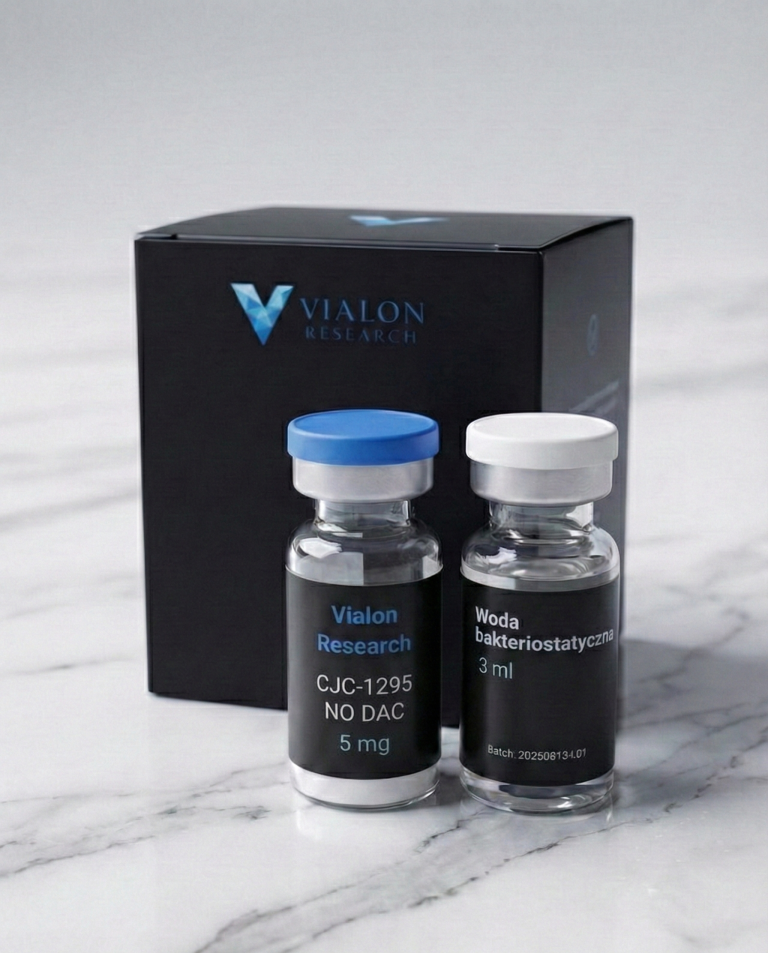
Notice: The following article is for educational and informational purposes only. The substances described are intended for research and laboratory use only. This does not constitute medical advice or encouragement to use these substances in humans or animals. Introduction CJC-1295…
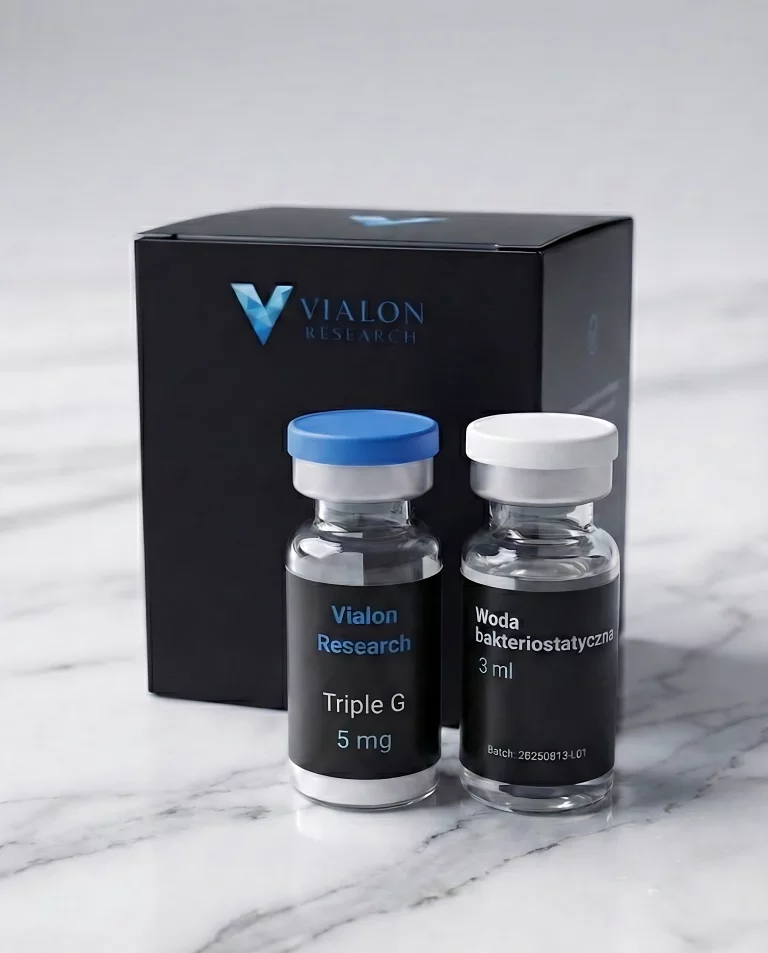
Triple agonism targeting GLP-1R, GIPR, and GCGR. Biology of the GCGR receptor, thermogenesis, energy expenditure. Comparison of mono, dual, and triple agonist approaches in preclinical models.
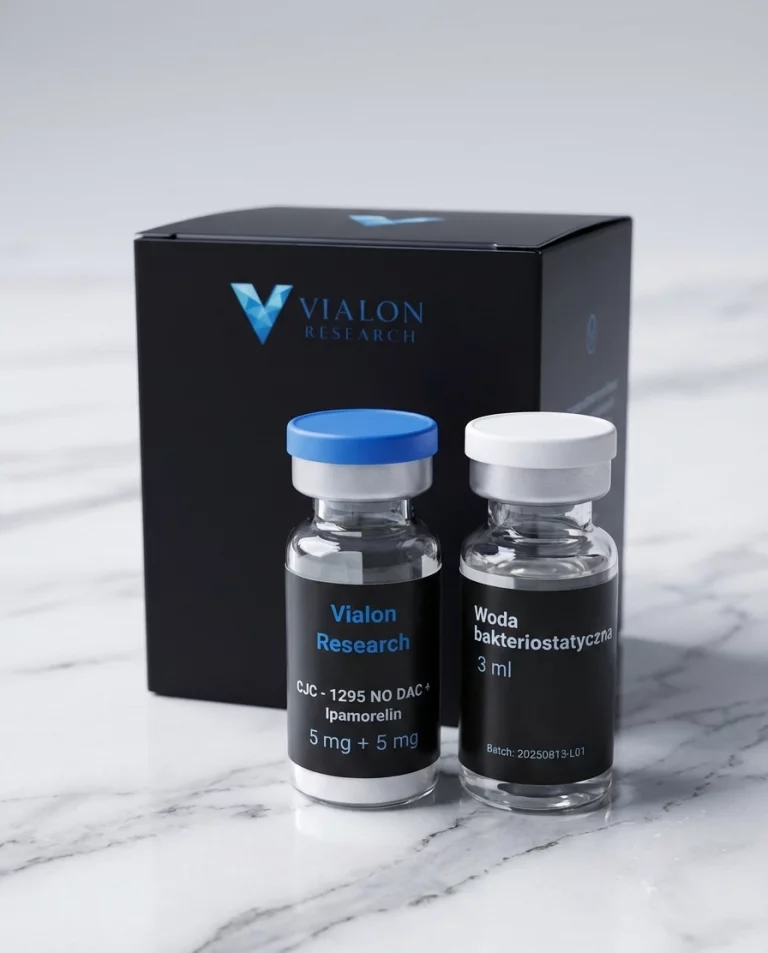
Note: This article is purely educational and is based on peer-reviewed scientific literature. The peptides described are available exclusively as laboratory research reagents (research use only). This article does not constitute medical advice or instructions for use. Introduction — The…
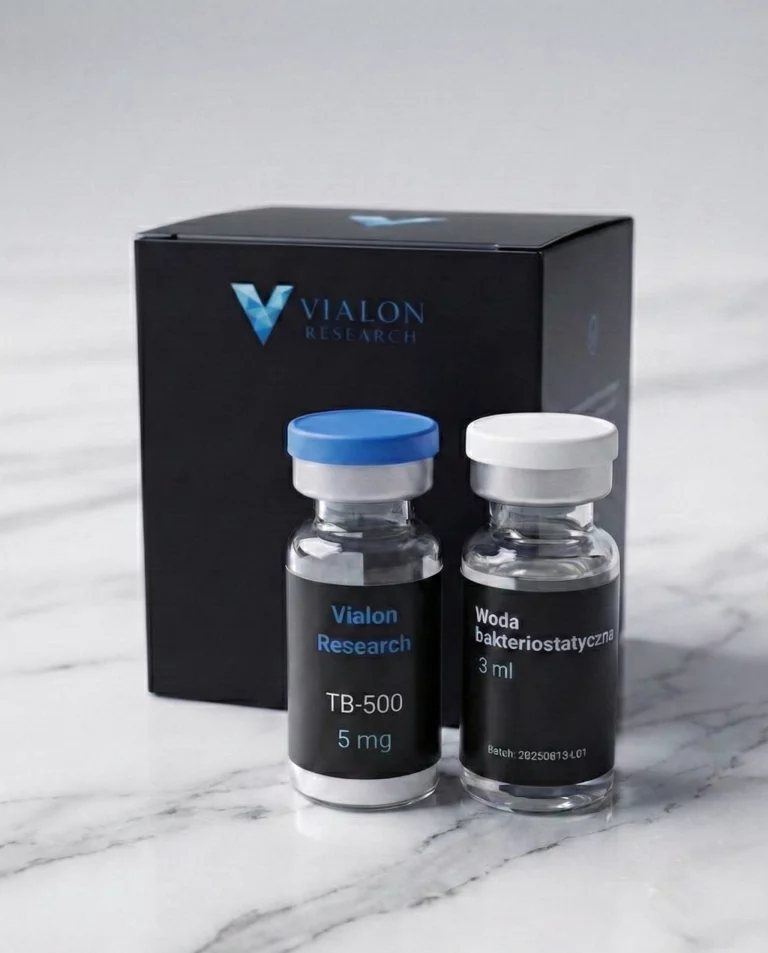
TB-500 (Thymosin β4): 43-amino acid actin-binding peptide. LKKTET motif, G-actin sequestration, angiogenesis, cardioprotection. BPC-157 comparison. Research guide.
Retatric Triple G is a 39-amino acid triple agonist peptide targeting GLP-1R, GIPR, and GCGR. GCGR role in thermogenesis and energy expenditure. Preclinical data from Nature, Cell Metabolism.
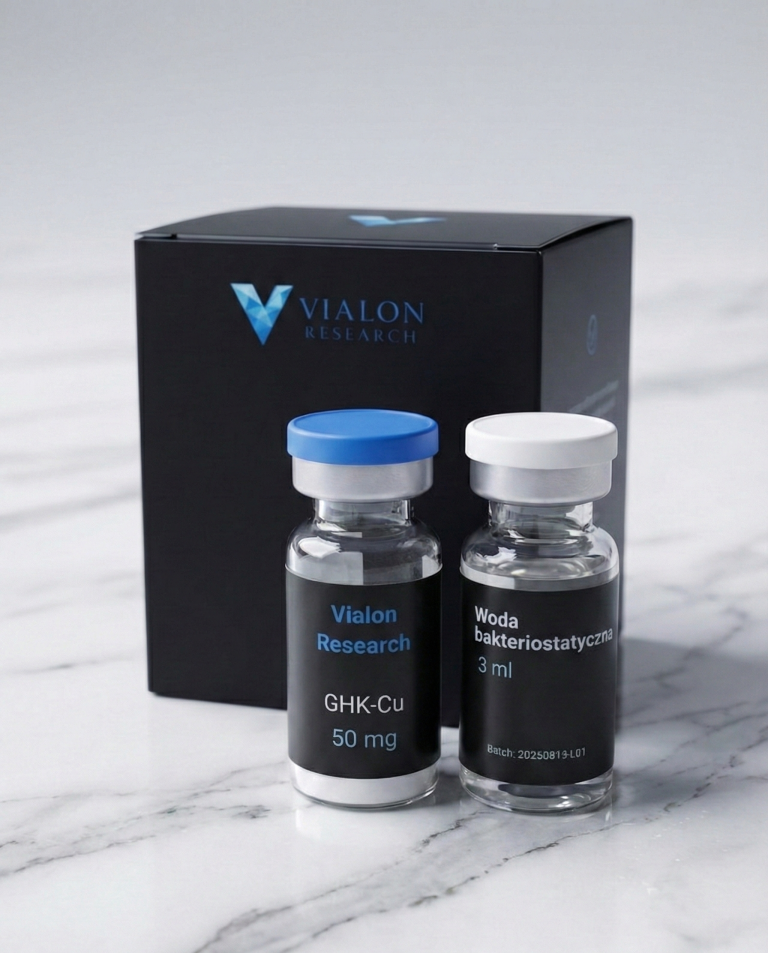
GHK-Cu (Gly-His-Lys·Cu²⁺) is a naturally occurring copper tripeptide. Copper chelation, modulation of 4000+ genes, extracellular matrix remodeling, antioxidant and anti-inflammatory properties. Research guide.
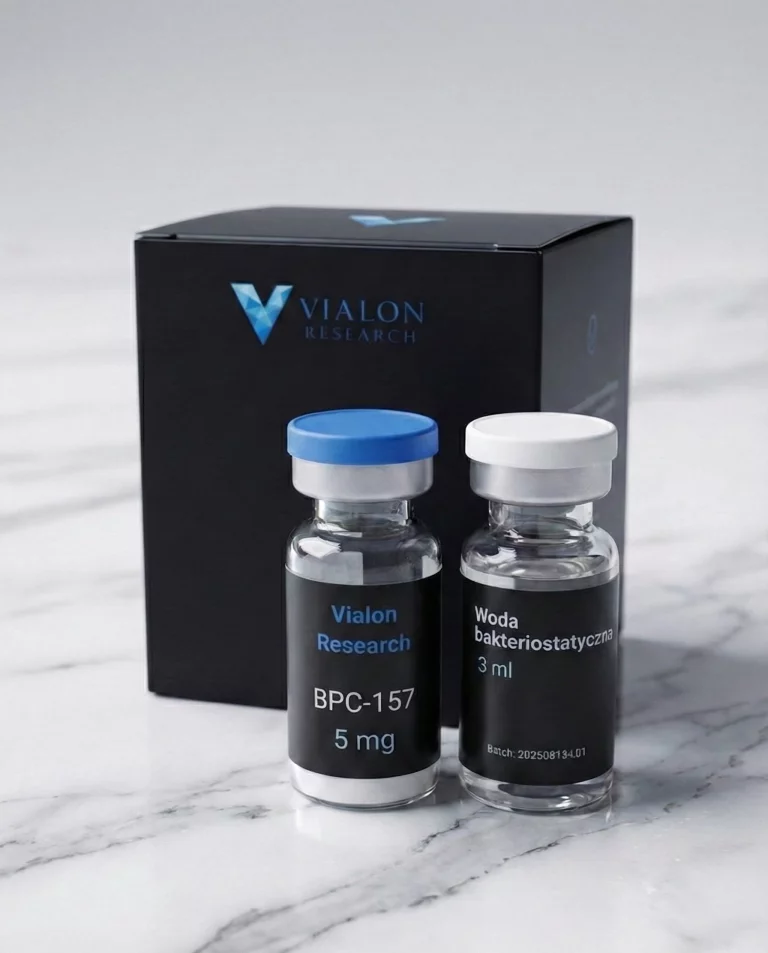
BPC-157 (Body Protection Compound-157) is a 15-amino acid gastric pentadecapeptide. NO pathway modulation, growth factors, dopaminergic system interaction. Comparison with TB-500. Research guide with bibliography.
MOTS-C is a 16-amino acid mitochondrial peptide encoded by mtDNA. It activates AMPK via ATIC inhibition, translocates to the nucleus under stress, and regulates metabolic homeostasis. Complete research guide with SS-31 comparison.
Uwaga: Poniższy artykuł ma charakter wyłącznie edukacyjny i informacyjny. Opisywane substancje są przeznaczone do celów badawczych i laboratoryjnych. Nie stanowi porady medycznej ani zachęty do stosowania u ludzi czy zwierząt. Wprowadzenie MOTS-C (Mitochondrial Open Reading Frame of the Twelve S…