Variability of HPLC and MS Laboratory Analysis Results
TL;DR: Laboratory analysis results can differ even for the same test material, because methods such…

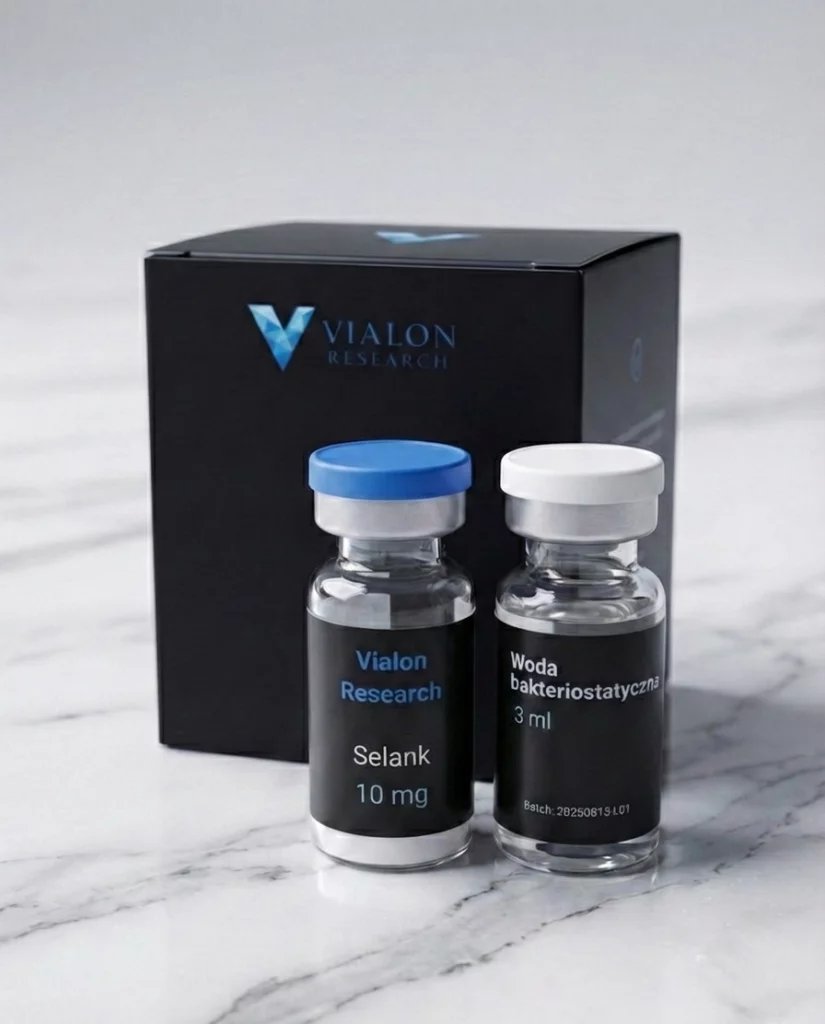
Heptapeptide · tuftsin analog · CAS 129954-34-3
| Parameter | Value |
|---|---|
| Molecular formula | C₃₃H₅₇N₁₁O₉ |
| Molecular weight | ~751.9 Da |
| Amino acid count | 7 (heptapeptide) |
| CAS number | 129954-34-3 |
| PubChem CID | 11765600 |
| Physical form | White lyophilized powder |
| Purity | ≥98% (RP-HPLC) |
| Classification | Chemical reagent / research material |
| Intended use | For in vitro research use only, not for use in humans or animals |
Not classified as a hazardous substance under CLP regulation. Offered as a chemical reagent for in vitro laboratory use, within the framework of applicable European Union chemical substances regulations (REACH, CLP).
Reconstitution and storage conditions:
Typical analytical equipment:
All working parameters should be selected according to the research laboratory’s internal protocol. Product intended exclusively for in vitro and analytical use; not for human or animal use.
Tuftsin (Thr-Lys-Pro-Arg) is a natural tetrapeptide isolated from the heavy chain of immunoglobulin G (positions 289-292), first described by Victor Najjar in the 1970s. This peptide attracted research interest due to immunomodulatory properties observed in in vitro models.
Selank extends the tuftsin sequence with the tripeptide Pro-Gly-Pro (PGP), which serves as a proteolytic stabilizer. This C-terminal modification, developed at the Institute of Molecular Genetics of the Russian Academy of Sciences (the same team that created Semax), protects the peptide from amino- and carboxypeptidase degradation, extending the molecule's activity period under research conditions.
Animal model studies indicate that Selank acts on the GABAergic system through allosteric modulation of the GABA-A receptor. In rat experiments, peptide effects on neurotransmitter balance in limbic brain structures were observed, representing a key distinction from the mechanism of Semax, which primarily acts through melanocortin receptors.
Inhibition of enkephalinase activity was also described — enzymes responsible for degradation of endogenous opioid peptides. This mechanism suggests indirect Selank influence on the endogenous opioid system, though the exact nature of these interactions requires further study.
In rodent models, modulation of interleukin 6 (IL-6) and brain-derived neurotrophic factor (BDNF) expression in selected CNS structures was also demonstrated.
Tuftsin was described by Victor Najjar and Kenji Nishioka in Nature (1970, 228:672-673) [1]. The authors isolated the tetrapeptide Thr-Lys-Pro-Arg from the Fc fragment of immunoglobulin G and demonstrated its ability to stimulate phagocytosis in leukocyte cultures.
Seredenin S.B., Kozlovskaya M.M., et al. conducted a series of behavioral studies using Selank in rodent models [2]. In elevated plus maze and open field tests, changes in exploratory behavior patterns were observed in rats following peptide administration.
Electrophysiological and pharmacological studies demonstrated that Selank modulates GABA-A receptor activity in rodent brain tissue [3]. The proposed mechanism involves allosteric interaction with the receptor complex. Inhibition of enkephalinase activity was also described, suggesting indirect effects on endogenous opioid peptide turnover.
Molecular studies in rats demonstrated that Selank affects BDNF and interleukin 6 (IL-6) expression in the hippocampus and cerebral cortex, indicating a multi-level biological activity profile in preclinical models.
Selank is a heptapeptide with a mass of ~752 Da, consisting of two functional domains:
Selected publications on Selank (tuftsin analog with PGP stabilizer).
"The optimizing action of the synthetic peptide Selank on a conditioned active avoidance reflex in rats"
Neuroscience and Behavioral Physiology, 33(7):639-643
"Selank administration affects the expression of some genes involved in GABAergic neurotransmission"
Frontiers in Pharmacology, 1:11
Produkt jest surowcem chemicznym przeznaczonym wyłącznie do zastosowań badawczych, naukowych i analitycznych in vitro. Nie jest przeznaczony do użytku ludzkiego ani weterynaryjnego, w tym w celach diagnostycznych, terapeutycznych, profilaktycznych lub żywieniowych.
Produkt nie jest sklasyfikowany jako substancja niebezpieczna zgodnie z rozporządzeniem CLP (WE) nr 1272/2008. Oferowany jest jako odczynnik chemiczny w ramach obowiązujących w Unii Europejskiej przepisów dotyczących substancji chemicznych (REACH, CLP). Nie stanowi produktu leczniczego, suplementu diety, wyrobu medycznego ani kosmetyku w rozumieniu obowiązujących przepisów prawa.
Substancję niewykorzystaną należy utylizować zgodnie z lokalnymi przepisami dotyczącymi odpadów chemicznych. W warunkach laboratoryjnych: neutralizować i utylizować wraz z odpadami laboratoryjnymi. Nie wylewać do kanalizacji.
Produkt oferowany jest zgodnie z obowiązującymi przepisami Unii Europejskiej dotyczącymi substancji chemicznych (REACH, CLP) oraz prawem polskim w zakresie obrotu odczynnikami chemicznymi i materiałami badawczymi. Pełne warunki sprzedaży oraz klasyfikacja produktu zawarte są w Regulaminie Sklepu.
Dokonując zakupu, Klient potwierdza zapoznanie się z powyższymi informacjami oraz akceptuje postanowienia Regulaminu.
W przypadku pytań dotyczących obchodzenia się z produktem lub informacji regulacyjnych: kontakt@peptydy-sklep.com.
Ověřená hodnocení zákazníků tohoto produktu
Ok, kontakt ze sklepem bardzo sprawny
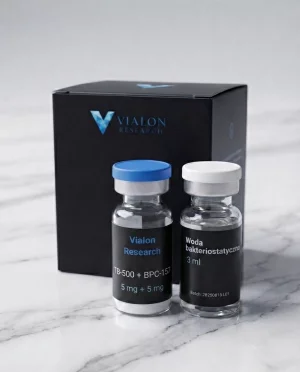
Zestaw dwóch peptydów badawczych
TL;DR: Laboratory analysis results can differ even for the same test material, because methods such…
TL;DRThis article explains how HPLC/MS is widely used as a set of laboratory analytical methods…
Reading a COA requires verifying the batch, analytical methods, acceptance criteria, and test results.
Selank is a synthetic heptapeptide derived from tuftsin (Thr-Lys-Pro-Arg), an endogenous immunomodulatory tetrapeptide, with a C-terminal Pro-Gly-Pro (PGP) stabilizer. CAS: 129954-34-3.
Selank derives from tuftsin (immunomodulatory tetrapeptide) and is studied for anxiolytic properties. Semax derives from ACTH(4-10) and is studied for nootropic effects. Both share the PGP stabilizing sequence and are developed by Russian research institutes.
Store lyophilized Selank at -20°C to -80°C. After reconstitution, store at 2-8°C and use within 30 days.
Selank is available as a 10 mg lyophilized vial.
Selank has been investigated in the context of GABA receptor modulation, enkephalin metabolism, and anxiety-related behaviors in animal models. Developed at the Institute of Molecular Genetics, Russian Academy of Sciences.